


THE NEWS
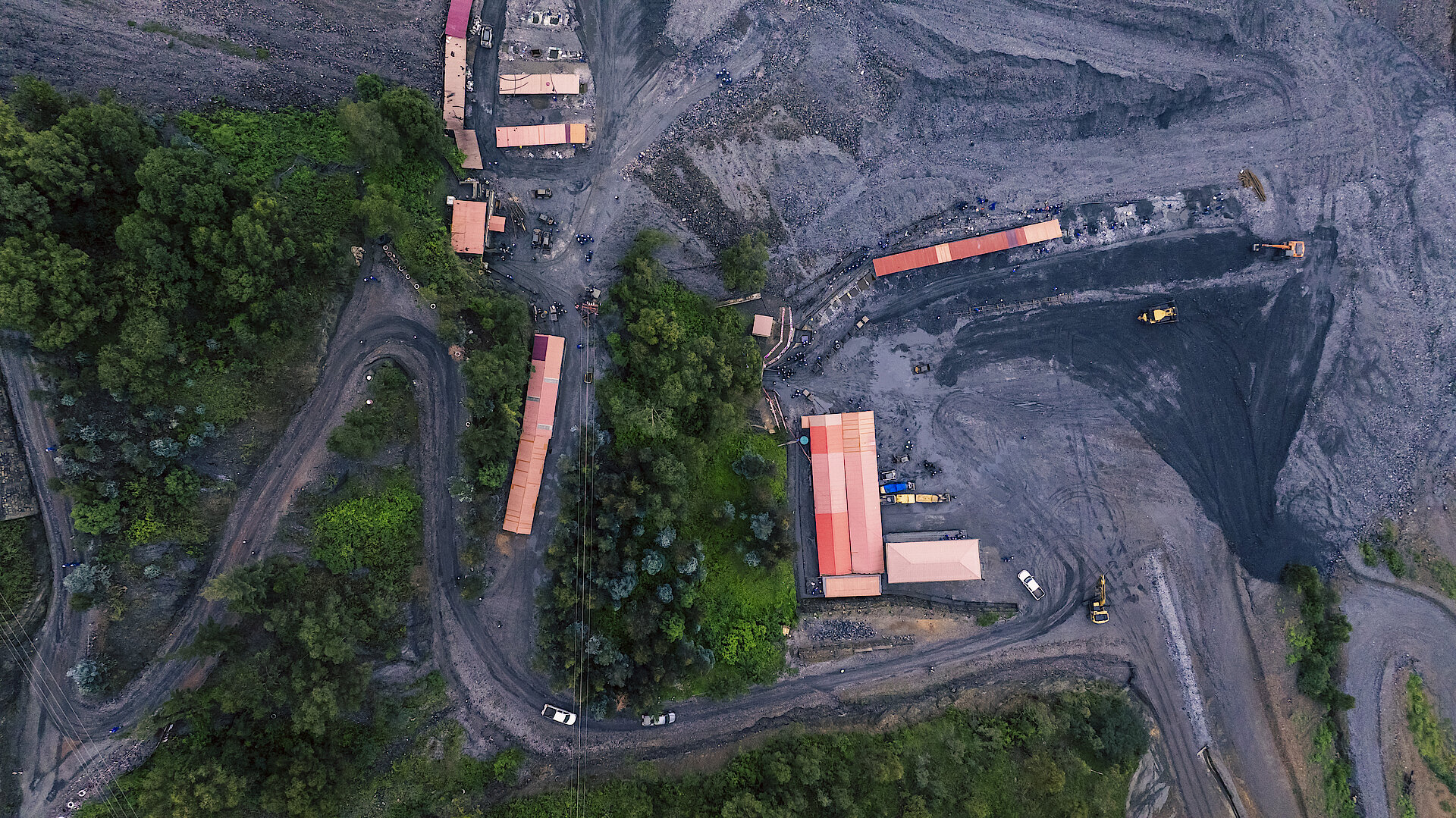
Rwanda’s mining sector has achieved a dramatic turnaround, with 3T mineral exports (Tin, Tungsten, and Tantalum) surging by 46.2% in the 2025 fiscal year. This performance has become the primary driver in narrowing Rwanda’s formal trade deficit, which saw a year-on-year improvement of 8.4%, falling to roughly $2.7 billion.
According to the latest data from the National Institute of Statistics (NISR) and the Rwanda Mines, Petroleum and Gas Board (RMB), the industrial sector grew by 17% overall in Q3 2025. The star performers were processed Cassiterite, which saw export volumes soar by 115%, and Coltan (Tantalum), which rose by 8%. This surge comes at a critical time as Rwanda moves to anchor its National Strategy for Transformation (NST-2), targeting $2.17 billion in annual mineral revenues by 2029.
THE VIEW FROM KIGALI
For Kigali, this isn’t just about high commodity prices; it’s a victory for professionalization. The government has been aggressively moving away from “artisanal” (hand-dug) mining toward mechanized, industrial-scale operations. Companies like Trinity Metals Group have tripled production at sites like Nyakabingo by investing in modern equipment and geological mapping.
By processing minerals locally at the Gasabo Gold Refinery and the Luna Smelter, Rwanda is keeping more value within its borders. The strategy is to stop being a “pass-through” for raw rocks and start being a regional hub for “conflict-free,” high-grade refined metals.
THE SIGNALS
- Geopolitical Realignment: Western tech and defense firms are looking for alternatives to Chinese-controlled supply chains. In late 2025, Rwanda shipped its first direct consignment of tungsten to Global Tungsten & Powders in the U.S.. This move into the American defense supply chain signals a major shift in trade diplomacy.
- The “Sovereignty” Argument: Despite persistent accusations regarding cross-border smuggling from the DRC, Rwanda is leaning on OECD-certified traceability systems. The 46% surge is being framed as proof that domestic Rwandan hills are more productive than previously thought.
- Macro-Stability: The mining boom is helping the Rwandan Franc find its footing. By narrowing the trade deficit, the government is reducing the pressure on foreign exchange reserves, which helps keep inflation for imported goods (like fuel and food) in check.
ROOM FOR DISAGREEMENT
Critics and regional observers remain skeptical. Organizations like ITSCI have noted that recorded tantalum exports sometimes spike in correlation with regional instability. While the RMB maintains that the growth is purely due to domestic mechanization, the “smuggling” narrative remains a shadow over the industry, potentially affecting future ESG (Environmental, Social, and Governance) investments from European firms.
NOTABLE
- Beyond 3Ts: While tin and tantalum lead, the RMB has identified 52 new locations for Lithium exploration, signaling Rwanda’s intent to enter the electric vehicle (EV) battery market.
- The Employment Factor: The sector now employs over 92,000 people. As mining becomes more mechanized, the “Native 250” youth generation is being targeted for high-skilled technical roles rather than manual labor.
 CABN Contributor