


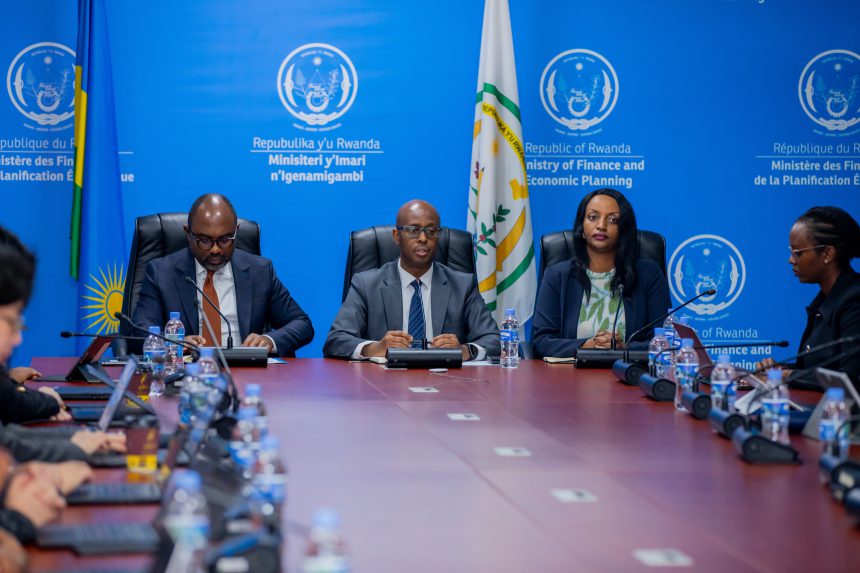
Rwanda has reached a staff-level agreement with the International Monetary Fund (IMF) for a 38-month loan under the Extended Credit Facility (ECF), worth SDR 185 million (around $250 million). The program, aimed at enhancing economic resilience and advancing key reforms, now awaits final approval from the IMF Executive Board, expected in June 2026. The ECF program will support Rwanda in sustaining reform momentum, managing fiscal and debt risks, and promoting private-sector-led growth, while ensuring transparent oversight of state-owned enterprises.
Yusuf Murangwa, Rwanda’s Minister of Finance and Economic Planning, highlighted the importance of the program: “We are pleased with progress on the ECF program, which will cushion the impact of the Gulf war and declining budget support while sustaining Rwanda’s growth, investment ambitions, and structural transformation.” Rwanda’s economy proved resilient in 2025, growing 9.4% thanks to strong exports of coffee and minerals. Inflation rose to 9.2% in February 2026, and foreign exchange reserves remain robust, covering over four months of imports. Recent tax reforms have also strengthened domestic revenue collection. Albert Touna Mama, IMF mission chief, noted the economy’s strengths and vulnerabilities: “Rwanda’s economy remains resilient with strong 2025 growth, but prolonged conflict in the Middle East and tighter financing conditions could pressure inflation, external balance, and debt sustainability.”
The ECF program aims to address these challenges through a credible medium-term budget plan, tighter control of foreign-funded capital spending, proactive monetary policy to reduce inflation toward the 5% target, and greater exchange rate flexibility. Minister Murangwa reiterated the government’s commitment: “The Government remains committed to implementing the reforms under this program to protect Rwandans from external shocks while building a stronger, more self-reliant economy.”
Rwanda expects to sustain growth at around 6.8% in 2026, manage inflation and debt pressures, and continue attracting private investment despite global uncertainties such as volatile commodity prices and geopolitical tensions. The agreement marks a major step toward economic stability, financial resilience, and long-term growth, underscoring Rwanda’s commitment to reform-driven development.
 CABN Staff Writer