Erdoğan warns against foreign rivalry in Horn of Africa amid Somaliland tensions

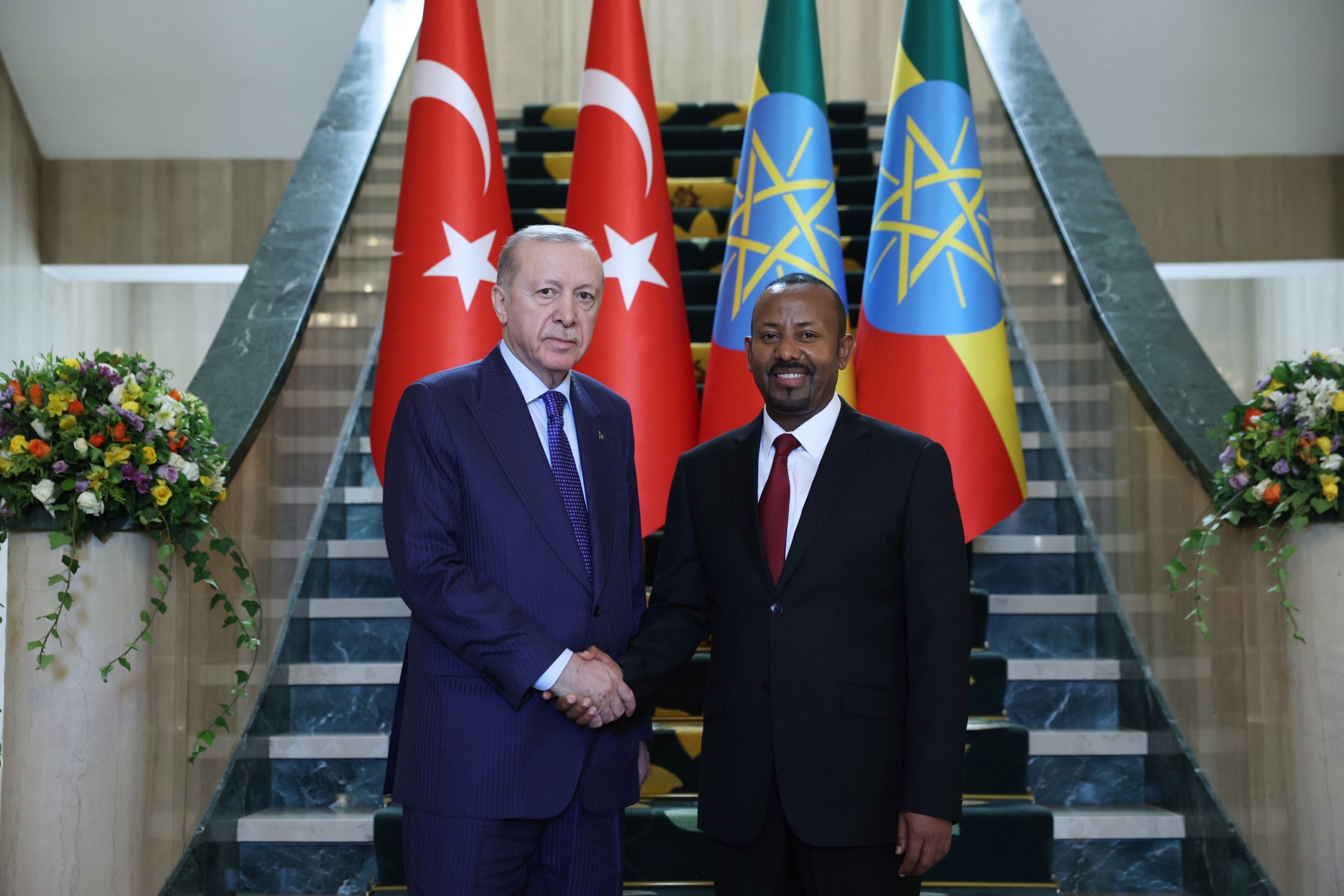
Recep Tayyip Erdoğan has cautioned foreign powers against escalating geopolitical competition in the Horn of Africa, warning that moves toward international recognition of Somaliland could destabilize an already fragile region and inflame tensions with Somalia.
Speaking during engagements linked to Türkiye’s outreach in East Africa, Erdoğan criticized reported steps by Israel toward recognizing Somaliland, which declared independence in 1991 but remains largely unrecognized internationally. Somalia considers the territory part of its sovereign borders, making recognition a highly sensitive geopolitical trigger with potential regional consequences.
Why it matters
The Horn of Africa sits along one of the world’s most strategic maritime corridors connecting the Red Sea, Gulf of Aden, and Indian Ocean. Competition for port access, logistics routes, and military positioning has intensified as global and regional powers seek influence over trade flows and security architecture. Any diplomatic shift on Somaliland risks reshaping alliances and raising tensions across East Africa and the Middle East.
The big picture
Erdoğan framed the issue as part of a broader pattern of external rivalry across Africa’s eastern corridor, warning that geopolitical competition could worsen political fragmentation, security risks, and economic vulnerability. The Horn already faces overlapping pressures from armed conflict, climate shocks, migration flows, and fragile governance structures, making it particularly sensitive to external interventions.
Türkiye has emerged as one of Somalia’s most influential foreign partners over the past two decades. Ankara operates its largest overseas military base in Mogadishu and has funded major infrastructure, humanitarian, and institutional development projects. That deep engagement gives Türkiye both leverage and strategic interest in discouraging actions that could undermine Somalia’s territorial integrity or destabilize the region.
Between the lines
Erdoğan’s comments also reflect Türkiye’s broader foreign policy positioning as both a regional mediator and a strategic competitor. Ankara has sought to expand its diplomatic footprint across Africa through defense cooperation, trade, and development partnerships while presenting itself as a stabilizing actor in Muslim-majority regions.
Support for Somalia’s sovereignty aligns with Türkiye’s security investments and political influence in Mogadishu, but it also signals concern about other external actors gaining strategic footholds along the Red Sea corridor, an increasingly contested geopolitical space.
What’s next
For Somalia’s federal government, the possibility of any country recognizing Somaliland raises concerns about sovereignty and precedent. For Somaliland authorities, international recognition remains the central political objective after more than three decades of de facto autonomy, with its own institutions, currency, and security forces.
Analysts say tensions around Somaliland could become another arena where regional ambitions intersect with global power competition, particularly as maritime security and supply chain diversification gain urgency worldwide.
Erdoğan’s warning highlights a growing reality: influence in the Horn of Africa is no longer just a regional matter but part of a wider geopolitical contest with implications for trade, diplomacy, and security far beyond East Africa.