


Rwanda’s capital is no longer a rising star on the global music circuit — it’s the headliner. With a genre-spanning 2026 concert calendar and fans crossing borders to attend, Kigali is writing the rules for what an African entertainment hub looks like.
Concert Season Yet
BK Arena, Kigali — East Africa’s premier live entertainment venue
For a city that wasn’t on the global touring map a decade ago, Kigali is moving fast. In 2026, Rwanda’s capital will host UB40, Vybz Kartel, and Doja Cat — three internationally commanding acts whose combined appeal spans reggae heads, dancehall devotees, and Gen Z pop fans on multiple continents. Together, they represent something bigger than a concert lineup. They represent a moment of arrival.
The question no longer seems to be whether Kigali belongs in conversation with Africa’s entertainment capitals. It’s whether it’s already leading that conversation.
The 2026 Lineup, Broken Down
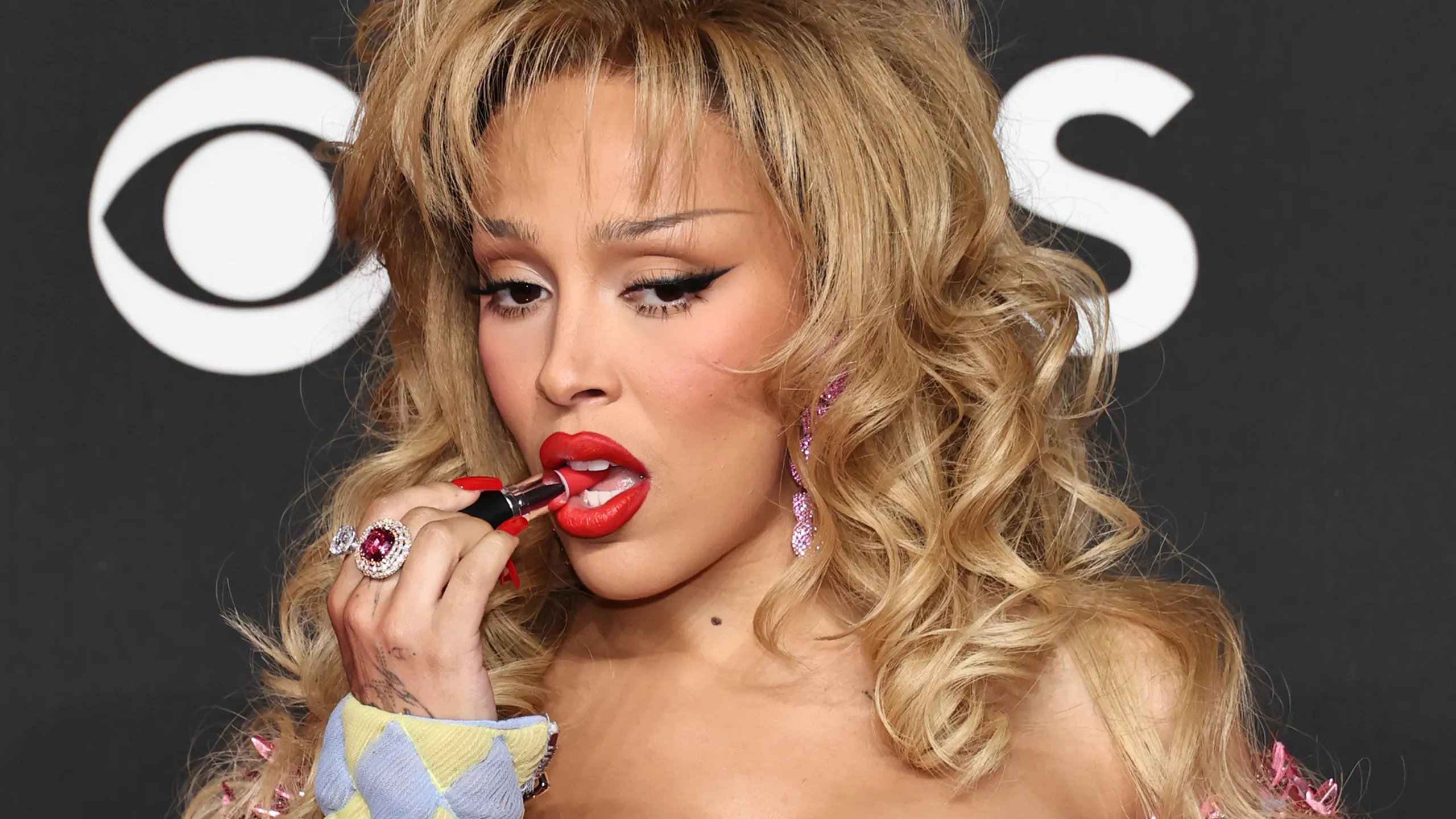
Doja Cat kicks off the season on March 17, headlining Move Afrika — Global Citizen’s pan-African touring circuit — co-produced with the Rwanda Development Board. Beyond spectacle, the event carries a mandate: creating jobs, supporting local talent, and injecting momentum into Africa’s creative economy.
In May, Vybz Kartel arrives at BK Arena as part of the Talanta Afrika Festival — a regional circuit that also touches Kampala and Nairobi. The self-declared King of Dancehall brings a set built around decades of East African hits: from “Clarks” to “Fever,” a catalogue that needs no translation.
And then there’s UB40 — the Birmingham-bred reggae institution whose songs have moved across generations and geographies in ways few acts can claim. Their Kigali performance connects a distinctly older, cross-cultural audience to a city that is actively expanding its genre reach.
Kigali is no longer serving only its domestic audience. It has become a cross-border entertainment magnet — and in 2026, the whole region is tuning in.
The Cross-Border Effect
What separates Kigali’s concert economy from other African cities is its regional magnetism. Concert weekends consistently draw fans from Uganda, Kenya, Tanzania, Burundi, and the wider diaspora — enough to visibly move airline booking numbers and push Kigali hotels to near-capacity.
For many regional fans, Kigali has become the preferred destination specifically because of what it offers on the ground: modern production values, streamlined venue operations, and a city infrastructure that handles large-format events with a calm competence that’s not guaranteed elsewhere.
Infrastructure That Matches Ambition
BK Arena has emerged as the flagship — a venue capable of absorbing international production riders, handling large-scale security coordination, and delivering acoustics that touring acts and their crews actually respect. That reputation matters enormously in the industry.
Beyond the arena, mixed-use developments like Zaria Court Kigali reflect a broader urban transformation: hospitality, leisure, dining, and premium residential converging in ways that create an ecosystem around major events. More projects are reportedly in the pipeline, signaling private sector confidence in sustained demand.
The Economic Case for Live Music
The multiplier effect from major concerts is increasingly difficult to ignore for policymakers. Hospitality revenue grows, short-term employment in event production spikes, SME participation in food, merchandise, and logistics expands, and aviation bookings reflect a city absorbing regional spending.
Doja Cat’s Move Afrika performance makes the economic link explicit — the show is structured around job creation and creative industry development, with the Rwanda Development Board as institutional partner. Live entertainment is being treated not as a luxury sector, but as strategic infrastructure.
2026 Is a Benchmark, Not a Peak
The 2026 calendar follows a precedent already set by Kendrick Lamar, John Legend, Davido, and Tyla — all of whom have already performed in Kigali. The genre diversity is widening with each passing year. So is the ambition.
With more acts reportedly in advanced booking discussions, industry sources suggest 2026 is not a high watermark — it’s the standard that future seasons will be measured against. For fans across East Africa, that’s a very good problem to have.
Kigali, for now, is exactly where the music is.