


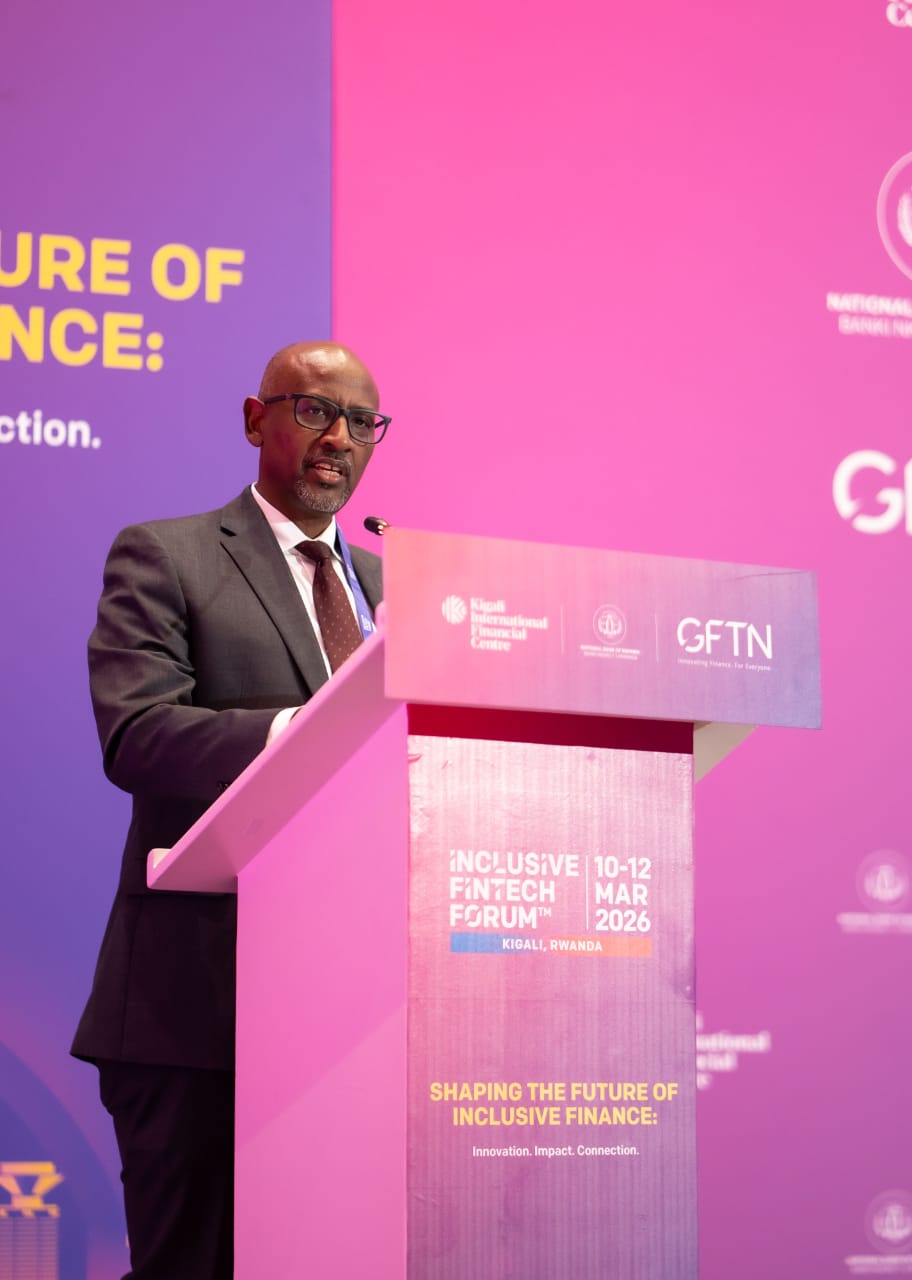
Africa’s digital economy is expanding rapidly, but leaders across the continent say its long-term success will depend less on technology alone and more on the foundations behind it: skilled talent, trusted systems, and clear regulatory frameworks.
With a population exceeding 1.3 billion people and one of the youngest demographics in the world, Africa is widely seen as one of the next frontiers for digital finance and innovation. Yet policymakers and industry leaders warn that unlocking that potential will require coordinated investments in education, institutional capacity, and cross-border digital trade rules.
The News
Officials speaking during recent discussions on Africa’s digital financial ecosystem at the Inclusive Fintech Forum highlighted the need to strengthen human capital and regulatory systems to support the continent’s transition toward a more technology-driven economy.
For many policymakers, the starting point lies in education systems that can prepare young Africans for the demands of a digital marketplace.
“The reality is that the future of Africa’s financial system is already sitting in our classrooms today,” said Joseph Nsengimana.
According to Nsengimana, African education systems must evolve beyond traditional learning models and expand into emerging fields such as data science, artificial intelligence, cybersecurity, fintech, and digital regulation.
“Our schools, universities, and technical institutions must evolve beyond traditional curricula,” he said.
The Context
While universities play a critical role in building knowledge, industry leaders argue that professional institutions must also play a larger role in preparing graduates for the real demands of the labor market.
Amin Miramago, who leads the Institute of Certified Public Accountants of Rwanda, says professional bodies are uniquely positioned to bridge the gap between academic theory and practical skills.
“Professional accountancy bodies sit at the crossroads between higher learning institutions and the market,” Miramago said.
“Universities build knowledge. But professions build practical, market-ready skills. Strengthening professional programs is therefore critical to ensuring that graduates move beyond theory and develop the hands-on expertise employers and financial systems need.”
Stronger collaboration between universities, professional institutions and the private sector could create a pipeline of talent capable of supporting Africa’s rapidly evolving digital financial ecosystem.
Why It Matters
For African policymakers, the stakes are high. The continent must decide whether it will primarily import digital technologies or build its own innovation ecosystems.
Preparing the next generation of innovators will play a major role in determining that outcome, Nsengimana said.
Without the right skills base, Africa risks becoming a consumer rather than a producer of global fintech innovation.
Trust and Regulation
Beyond skills, policymakers stress that trust and regulatory stability will also be central to the growth of digital finance.
Prudence Sebahizi argues that the real test of fintech innovation lies in its ability to improve economic activity across the continent.
“The question is not whether the technology is sophisticated,” Sebahizi said.
“The question is whether it makes trade cheaper, faster, more inclusive, and more resilient.”
As digital financial services expand across African borders, Sebahizi noted that strong regulatory frameworks will be necessary to maintain confidence among businesses, investors and consumers.
At the same time, governments must remain attentive to emerging risks associated with rapidly evolving technologies.
What to Watch
Another issue gaining momentum among African policymakers is regulatory alignment across markets.
Experts believe harmonized digital trade rules and fintech standards could significantly reduce barriers for startups and financial institutions seeking to operate across the continent.
Such coordination could help accelerate the development of a more integrated African digital marketplace one capable of connecting hundreds of millions of consumers while expanding economic inclusion.
For now, leaders say Africa’s digital transformation will ultimately depend on three interconnected pillars: skilled talent, trusted systems and forward-looking regulation working together to shape the continent’s financial future.

