
African Aviation Continues to Climb, Led by Ethiopian Airlines and a Resurgent Nigeria
Africa’s aviation industry is showing renewed momentum, with total airline capacity across the continent reaching 23.4 million seats in June 2026, according to new data from OAG, one of the world’s leading aviation intelligence firms.
The figures paint a picture of a sector steadily recovering and expanding, driven by rising domestic travel demand, stronger regional connectivity and the growing role of African airlines in linking the continent to global markets.
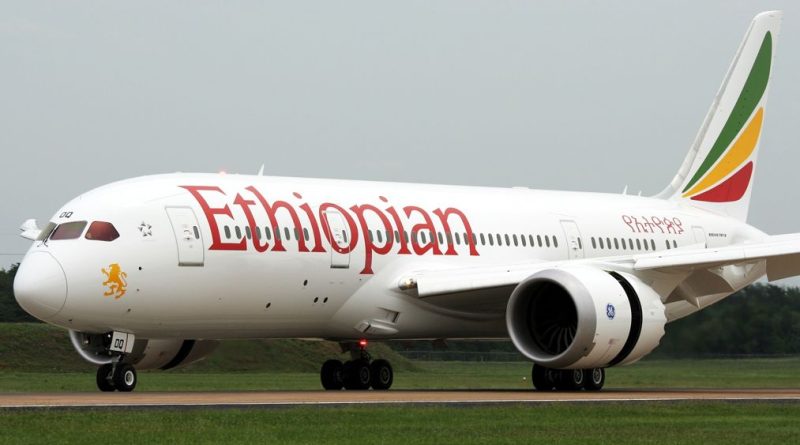
At the center of that growth remains Ethiopian Airlines, which has further cemented its position as Africa’s largest carrier. The Addis Ababa-based airline operated approximately two million seats in June, representing a 10% increase from the same period last year and adding nearly 180,000 seats to its network.
Meanwhile, Cairo International Airport retained its position as the busiest airport on the continent, handling 1.7 million departing seats during the month. Capacity at the Egyptian hub increased by 4% year-on-year, underscoring Egypt’s continued dominance as Africa’s largest overall aviation market.
But perhaps the most notable story emerging from the latest data is Nigeria’s rapid expansion.
Among Africa’s top ten aviation markets, Nigeria recorded the fastest growth, with overall airline capacity increasing by 21.3% compared with June 2025. Domestic traffic was the main driver, with seat capacity rising by 21.7%, making Nigeria the continent’s second-largest domestic aviation market after South Africa.
The surge reflects increasing demand within Africa’s most populous country and reinforces the importance of domestic connectivity as airlines seek growth opportunities closer to home.
South Africa, however, remains the continent’s largest domestic market, with 1.5 million seats, while the Democratic Republic of Congo registered one of the fastest-growing domestic markets, posting a 31.3% increase in capacity. Kenya, by contrast, experienced a decline, with domestic capacity falling by nearly 19%.
International travel continues to dominate African aviation. According to OAG, 78% of all airline capacity on the continent is international, with Europe remaining Africa’s largest overseas destination market. Capacity between Africa and Europe reached 9.1 million seats, while intra-African travel grew by 8%, reaching four million seats.
The figures highlight both the opportunities and the challenges facing the continent’s aviation sector. While connectivity within Africa is improving, international routes continue to account for the overwhelming majority of traffic, illustrating the long-standing need for deeper regional integration and the successful implementation of the Single African Air Transport Market (SAATM).
With demand continuing to rise and African carriers expanding their networks, the latest data suggests the continent’s aviation industry is entering a new phase of growth. For airlines, airports and policymakers alike, the question is no longer whether Africa’s skies are becoming busier—but whether the infrastructure and regulatory frameworks can keep pace with the continent’s growing ambitions.