Denmark opens embassy in Kigali, deepening ties with Rwanda
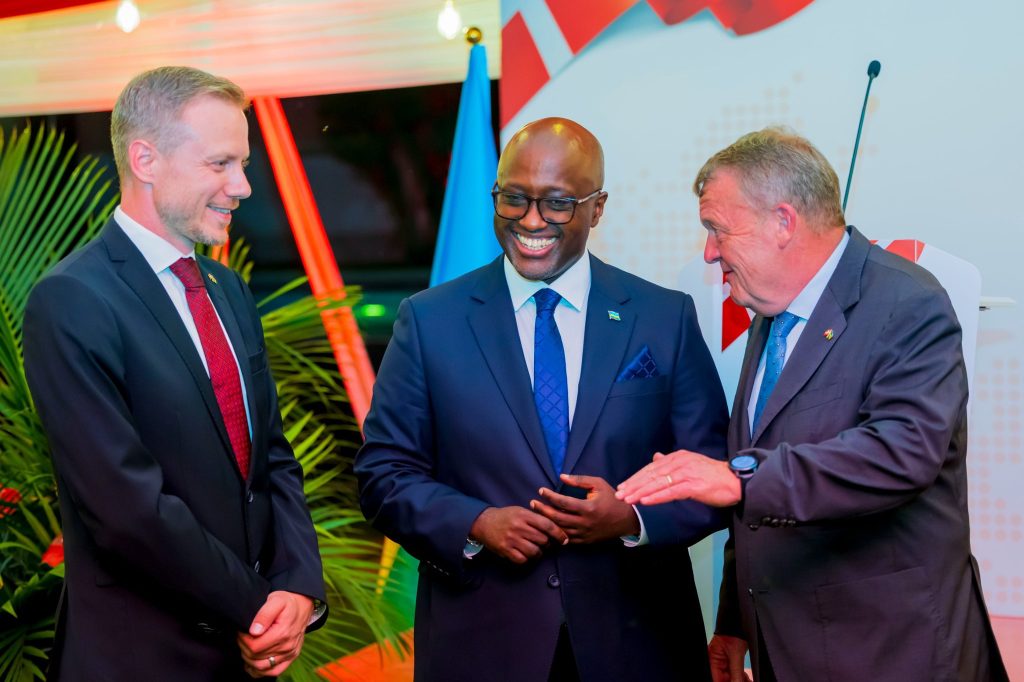
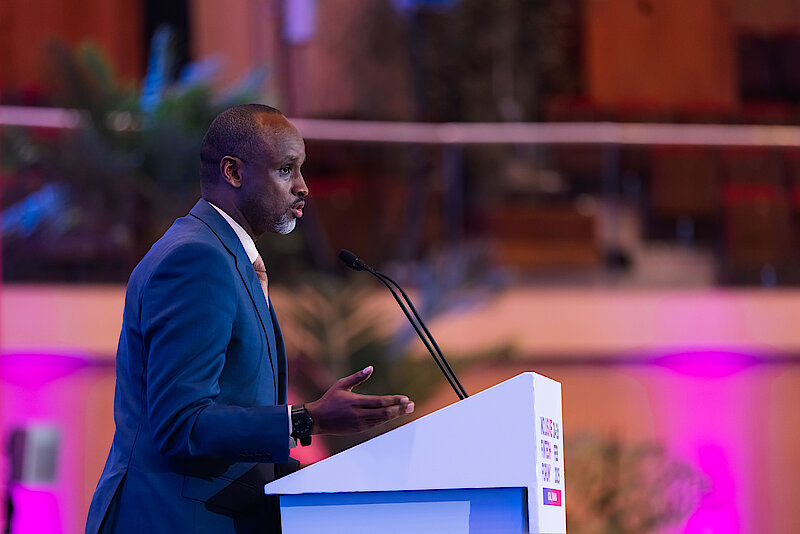
Denmark has officially opened its embassy in Kigali, marking a significant step in the growing diplomatic and economic relationship between the Nordic country and Rwanda. The new diplomatic mission reflects Copenhagen’s expanding engagement in East Africa and signals confidence in Rwanda’s political stability, economic trajectory, and role as a regional hub for investment and development cooperation.
The embassy inauguration comes at a time when Rwanda is actively positioning itself as a gateway for international partnerships in sectors such as green growth, climate finance, sustainable agriculture, and technology driven development. Denmark, globally recognized for its leadership in renewable energy, climate innovation, and sustainable urban solutions, is expected to bring technical expertise and investment partnerships aligned with Rwanda’s development priorities.
Officials from both countries emphasized that the diplomatic presence will strengthen cooperation across multiple sectors, including trade, private sector investment, governance, and development programs. Denmark has historically supported Rwanda through development assistance, particularly in areas related to environmental sustainability, resilience, and institutional capacity building. Establishing a resident embassy is expected to accelerate collaboration by enabling closer coordination with government institutions, businesses, and regional organizations.
Why it matters
Diplomatic missions often follow economic interests. Opening an embassy signals long term commitment and creates a platform for deeper trade and investment flows. For Rwanda, attracting European partnerships supports its ambition to diversify foreign investment sources beyond traditional partners. For Denmark, Rwanda offers access to one of Africa’s fastest reforming business environments and a strategic location within the East African Community market.
The move also reflects a broader geopolitical trend of mid sized economies expanding their presence in Africa as global competition for influence intensifies. As development financing models evolve toward blended finance and private capital mobilization, embassies increasingly play a role in facilitating business partnerships rather than only traditional diplomacy.
The context
Rwanda has built a reputation over the past two decades for governance reforms, ease of doing business improvements, and investment promotion, drawing attention from European governments seeking reliable African partners. At the same time, Denmark has been strengthening its Africa strategy, prioritizing countries where climate cooperation, sustainable food systems, and private sector investment opportunities intersect.
The embassy opening also aligns with Europe’s broader engagement with Africa under initiatives focused on green transition, infrastructure, and sustainable value chains. Rwanda’s ambitions in green mobility, climate resilience, and sustainable cities create natural areas of cooperation with Danish expertise.
What to watch
The next phase will likely focus on concrete investment projects and private sector partnerships, particularly in renewable energy, water management, agriculture value chains, and urban development. Increased business delegations and financing instruments from Danish development funds could follow.
For Rwanda, the success of the partnership will depend on translating diplomatic goodwill into measurable investment, technology transfer, and job creation outcomes. For Denmark, the embassy provides a foothold in a region where economic growth and demographic expansion continue to create long term opportunities.