DRC Secures $1.25 Billion in Historic Debut Eurobond, Capitalizing on Minerals Boom and U.S. Ties
Kigali, April 9, 2026 – The Democratic Republic of Congo (DRC) hauled in $1.25 billion from its first-ever international bond sale on Thursday, riding high on its dominance in critical minerals and warming relations with the United States – a move that could unlock new East African investment corridors.
The resource powerhouse priced $600 million in 2032 bonds at 8.75% yield and $650 million in 2037 bonds at 9.50%, banks involved in the deal confirmed. Demand was overwhelming, with orders topping $2 billion for the shorter bond and $2.8 billion for the longer one, excluding lead managers.
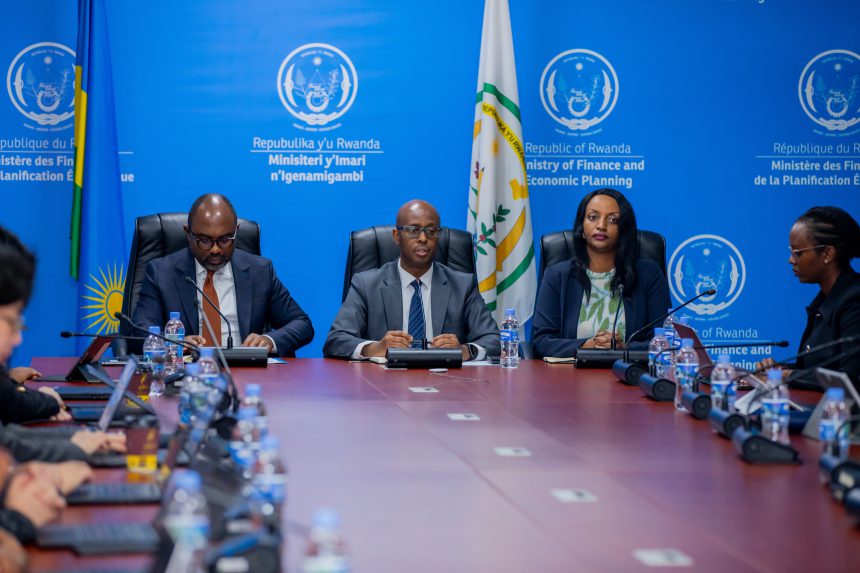
Finance Minister Doudou Fwamba Likunde Libotayi hailed the oversubscribed sale as a “significant milestone” for diversifying funding sources. “The success reflects recognition of our progress in macroeconomic stability, public finance management, and structural reforms for sustainable growth,” he told Reuters.
Proceeds from the senior unsecured, amortizing bonds will fuel infrastructure, energy, and social projects under a $1.5 billion Eurobond program unveiled earlier this year – including cross-border links with East African neighbors like Rwanda. “Our ambition is to become a regular sovereign issuer,” Libotayi added.
Strong investor appetite allowed tighter pricing from initial guidance of 9.125% (five-year) and 10% (10-year), boosted by S&P Global Ratings’ “positive” outlook in January. The agency praised DRC’s growth prospects, rising foreign reserves, and better tax collection.
Minerals Leverage Amid Global Shifts and Ceasefire Relief
The deal arrives as Western nations eye DRC’s vast cobalt and copper reserves to counter China’s supply chain grip in the green energy transition. It follows a surge in emerging market bonds early this year, paused by the Iran war’s energy price spikes – but revived this week after a U.S.-Iran two-week ceasefire.
Libotayi emphasized resilience: “We are strengthening capacity to manage external shocks, including energy security and macroeconomic stability.”
Yet challenges loom. DRC’s offering circular flagged mining export dependence, eastern conflict with M23 rebels, infrastructure gaps, and 97% reliance on concessional loans for debt sustainability. Volatility in commodities and ties to partners like China add risks.
For East Africa, the move signals rising regional clout in global finance, potentially paving the way for neighbors like Rwanda in minerals-backed borrowing.