


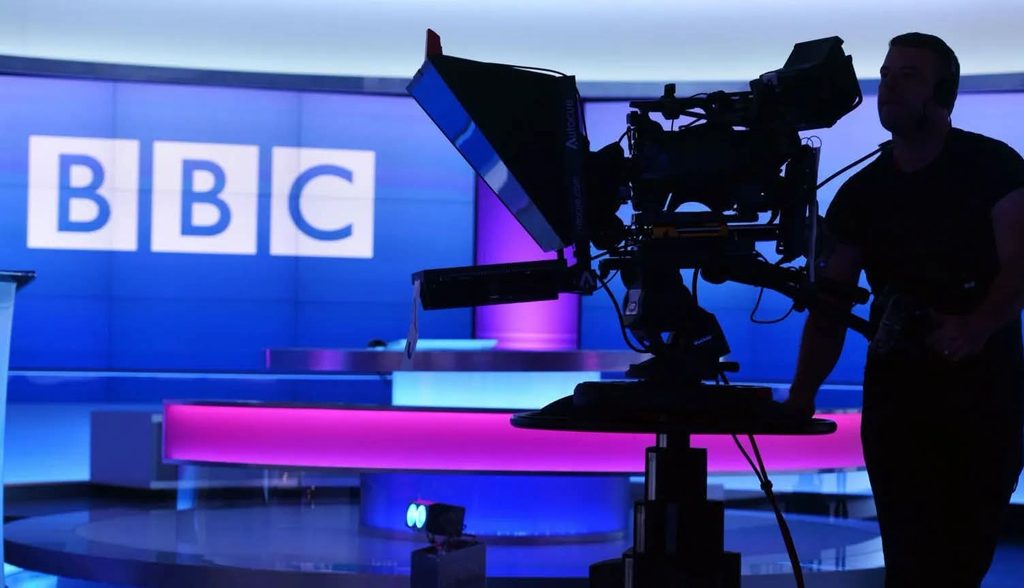
The British Broadcasting Corporation (BBC) has announced plans to close BBC Three and BBC Scotland as traditional television channels in the summer of 2027, as part of a wider strategy to reduce operating costs and adapt to changing audience habits.
Under the proposed changes, the two channels will continue delivering some of their programmes online through the BBC iPlayer streaming service, marking a further shift from conventional television broadcasting towards digital platforms.
The broadcaster also plans to close Radio 4 Extra, a radio station known for its extensive archive of BBC programmes, including comedy, drama and documentaries.
The changes come as the BBC pursues an ambitious plan to save £500 million over two years amid rising operational costs and growing pressure to ensure its services remain financially sustainable.
BBC Chief Executive Matt Brittin said the corporation must make the most effective use of its available resources to continue delivering quality services to audiences while responding to financial challenges and changes in the media landscape.
Brittin acknowledged that achieving these goals would require difficult decisions, some of which could be challenging for audiences and those affected by the changes.
The planned closures reflect the BBC’s broader efforts to reshape its operations as more viewers and listeners turn to online platforms to access news, entertainment and other content.
BBC iPlayer is expected to play a central role in the transition, allowing selected programmes previously associated with the television channels to remain available digitally.
However, the move also signals a significant change for audiences who rely on traditional broadcasting, particularly those who value the distinct programming offered by BBC Three, BBC Scotland and Radio 4 Extra.
As the BBC continues its cost-saving programme, the challenge will be to balance financial efficiency with its public-service broadcasting responsibilities and the diverse needs of audiences across the United Kingdom.
The planned changes underline the growing importance of digital distribution in the future of broadcasting, as established media organisations adapt their services to evolving technologies, viewing habits and economic realities.